Four Kitchens turned 20 in 2026. This post is part of What’s Cooking, a series tracing 20 years of building the web alongside our clients, our community, and each other. Each post looks back at where we’ve been and forward at what we’re building next.

Chief Executive Officer
Colleen is responsible for driving Four Kitchens’ vision and long-term strategy.
April 17, 2026
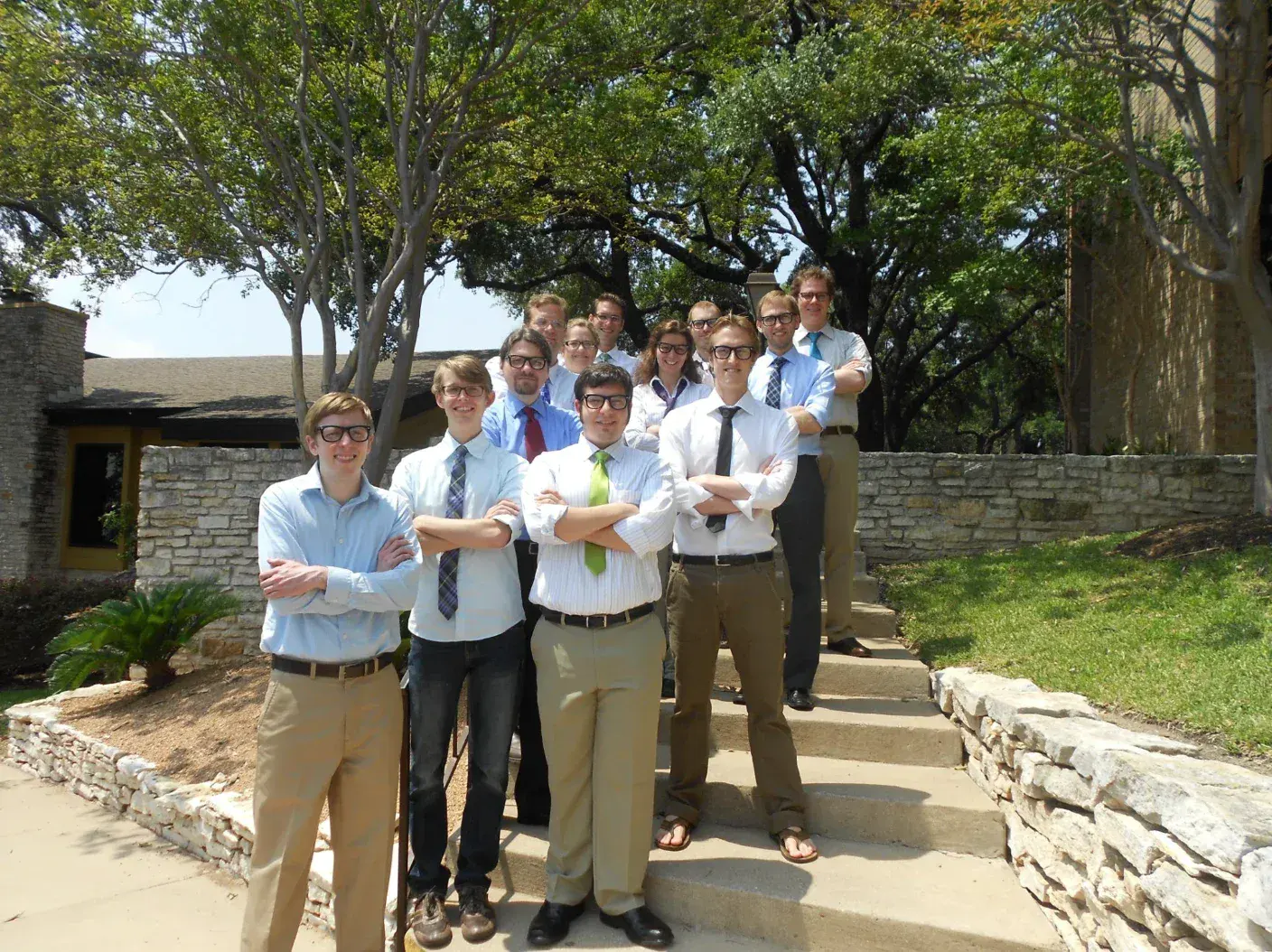
Twenty years ago, Four Kitchens started as something much simpler: four college friends who wanted to publish an alt-weekly newspaper.
When they couldn’t afford to print it, they went digital and taught themselves how to build a website. They chose Drupal because it was robust, approachable, and free. They got involved in the community, contributed modules, fixed bugs. And then people started asking them to help build sites, and offering to pay for it. Todd tells a story about the phone number they put on their early website. “Call us anytime!” they offered. One night, late, the phone rang. It was their first client. That call turned a side project into an agency.
In April 2026, we marked 20 years of that agency at DrupalCon Chicago, gathered with friends, former colleagues, clients, and community members at the Game Room at The Chicago Athletic Association. There were custom cocktails, games, and a room full of people who had, in some way, been part of this story. None of it would have been possible without Pantheon, whose co-sponsorship made the evening something we could share with the whole community. Thank you, Pantheon.
A kitchen takes shape
In 2006, Todd Ross Nienkerk founded Four Kitchens with three friends and a conviction that the web could be built better. Not just technically, but intentionally, with craft, curiosity, and a genuine commitment to the people on both sides of the work.
The name, inspired by a potential office space with four kitchens, became a playful metaphor for who they were and the company they wanted to be: a place where things get made, where process and tools matter as much as output.
From the beginning, the team operated with a set of shared beliefs about how to do the work. No leadership offsite handed them down, and no business book supplied them. They emerged from the practice itself: the way writers, designers, and developers collaborated across disciplines, the way the team navigated hard problems together. The team codified them over time as The Way of the Web Chef.
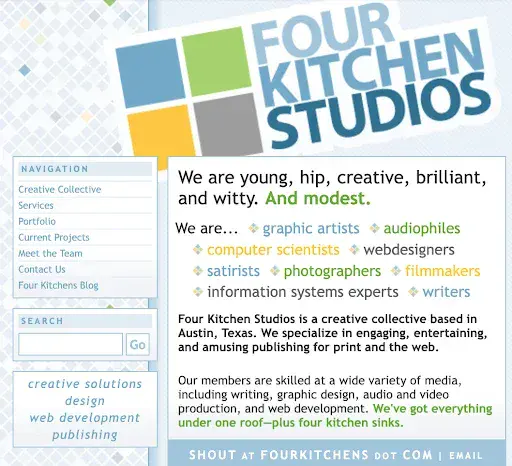
We are young, hip, creative, brilliant, and witty. And modest. We are… graphic artists, audiophiles, computer scientists, webdesigners, satirists, photographers, filmmakers, information systems experts, writers. Four Kitchens Studios is a creative collective based in Austin, Texas. We specialize in engaging, entertaining, and amusing publishing for print and the web. We’ve got everything under one roof—plus four kitchen sinks.
Those values weren’t a manifesto. They were a reflection. A description of what was already true about how Four Kitchens worked.
Twenty years changes things. And it doesn’t.
A lot happens in two decades. A startup becomes an established agency. The founders’ vision gets carried forward by a team that evolves and changes shape. The industry shifts under everyone’s feet, sometimes gradually, sometimes overnight.
Four Kitchens grew through all of it. The team expanded, went remote, built tools that became standards in the Drupal community, and deepened expertise in higher education digital work. The company that exists today is not the company these four friends founded in 2006.
And yet, the instincts that shaped those early years, to stay curious, to care about craft, to show up for each other, were always there. They didn’t need to be invented. They needed to be recognized.
Refining what was always true
In 2025, Four Kitchens undertook a structured values revision process through EOS (Entrepreneurial Operating System), a framework the leadership team uses to align around shared goals, honest feedback, and clear accountability.
The process wasn’t a reset. It was an excavation. The question wasn’t: what should we believe? It was: what do we believe and how does it show up in our work?
The behaviors that showed up most consistently in good work, in strong client relationships, in how people treated each other during hard stretches started to surface. We looked at where the company had been and where it was heading, and asked: are our current values an accurate description of who we are? The answer was: close, but not quite. Some values had merged naturally. Some were better expressed differently. The spirit was right. The language needed sharpening.
The result is The Way of the Web Chef as it exists today: five values that describe not aspirations, but practices. Things we actually do.
What emerged from that process was something we didn’t expect. Answers overlapped. We started finishing each other’s sentences. When one person named a pattern, someone else immediately recognized it. At one point, we brought Todd back into the history, asking him to tell the story that had inspired the original values in the first place. The energy was unmistakable. We weren’t a team being asked to agree to something. We were a team discovering what we already knew.
The Way of the Web Chef, 2026
These aren’t rules. They’re recognitions.
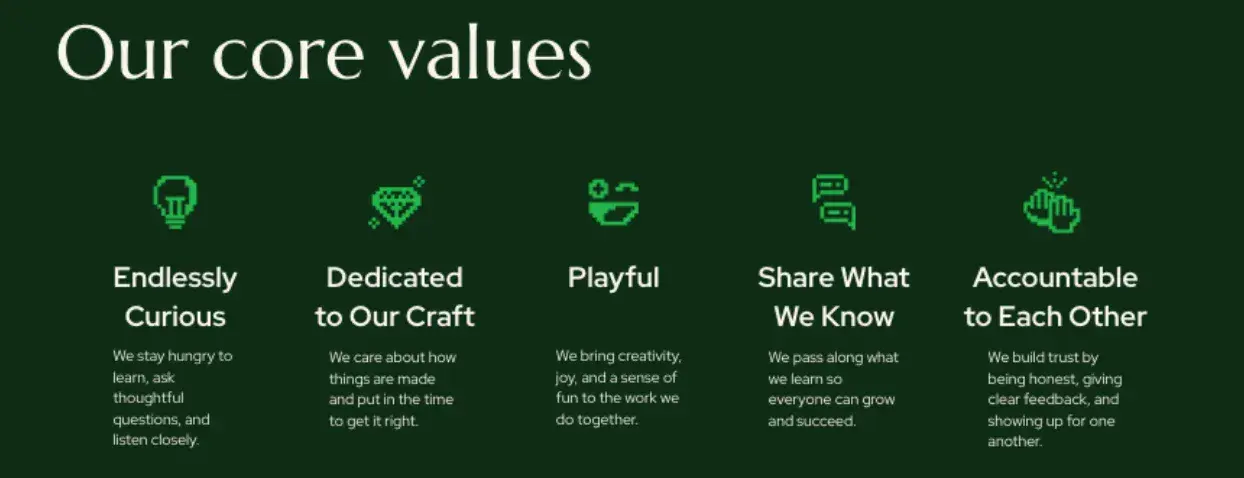
Endlessly curious
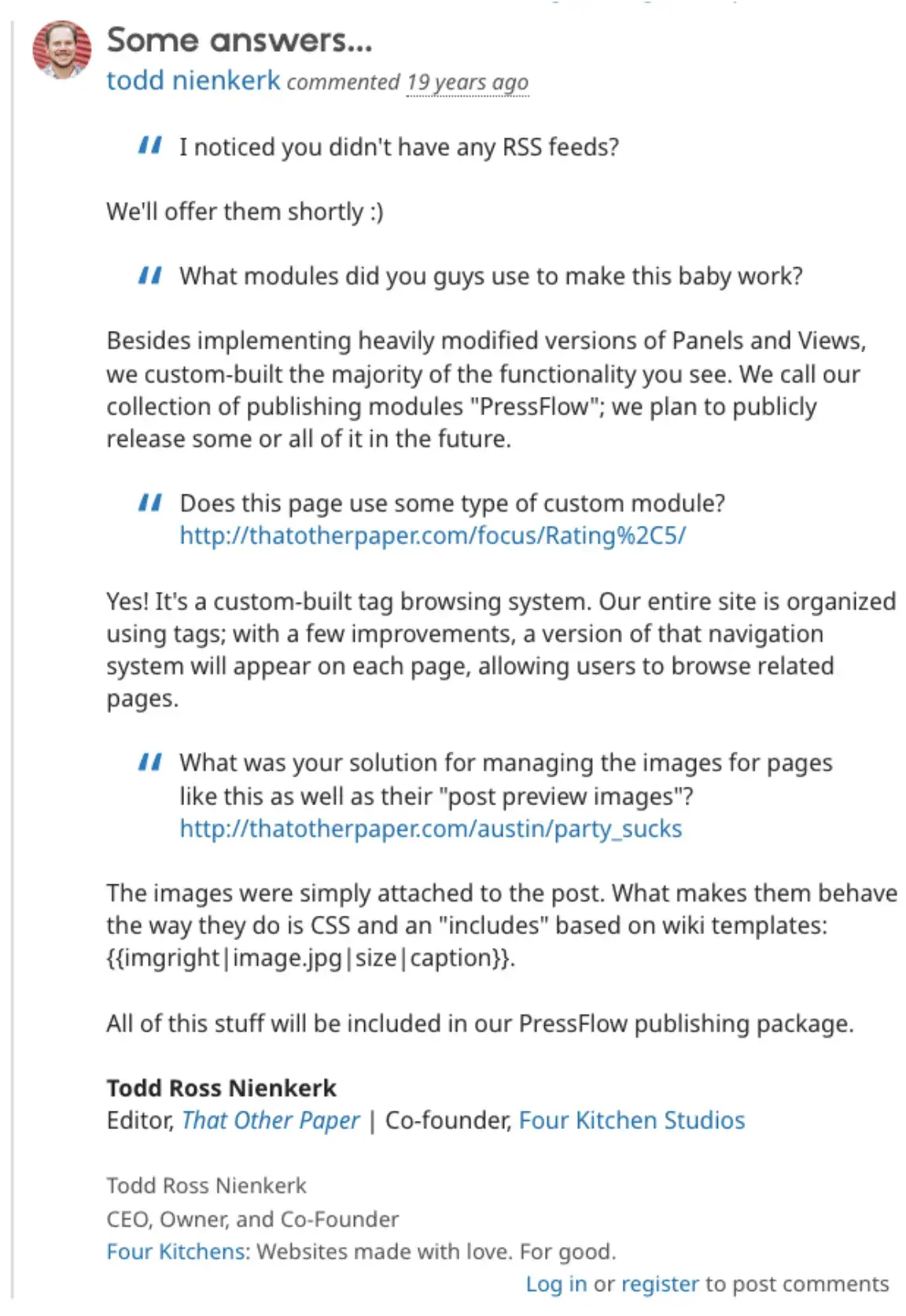
Two weeks before launching That Other Paper, one of our co-founders, David Strauss, discovered Drupal and convinced Todd and team to scrap the existing build and start over.
That decision carried real risk. It also became our first Drupal project and led to Pressflow, one of our earliest open-source contributions. All because of a willingness to pursue the better answer, even when the comfortable one is right in front.
If you work with us, expect thoughtful questions. We dig in because we’d rather understand your problem deeply than jump to a solution that only looks right on the surface.
Dedicated to our craft
One of our original values read: Deliver the best possible value, even if it means billing less work.
That wasn’t a marketing line. It reflected how we try to operate, and it still does.
That dedication has always been structural, not accidental. What started as informal brown bag lunches, Web Chefs® gathering to share what they were learning, evolved into our Practice Group: a weekly open forum where anyone can lead a session, propose a topic, or simply show up to learn from a colleague. The expertise we bring to your project isn’t developed in isolation. It’s built collectively, on purpose, every week.
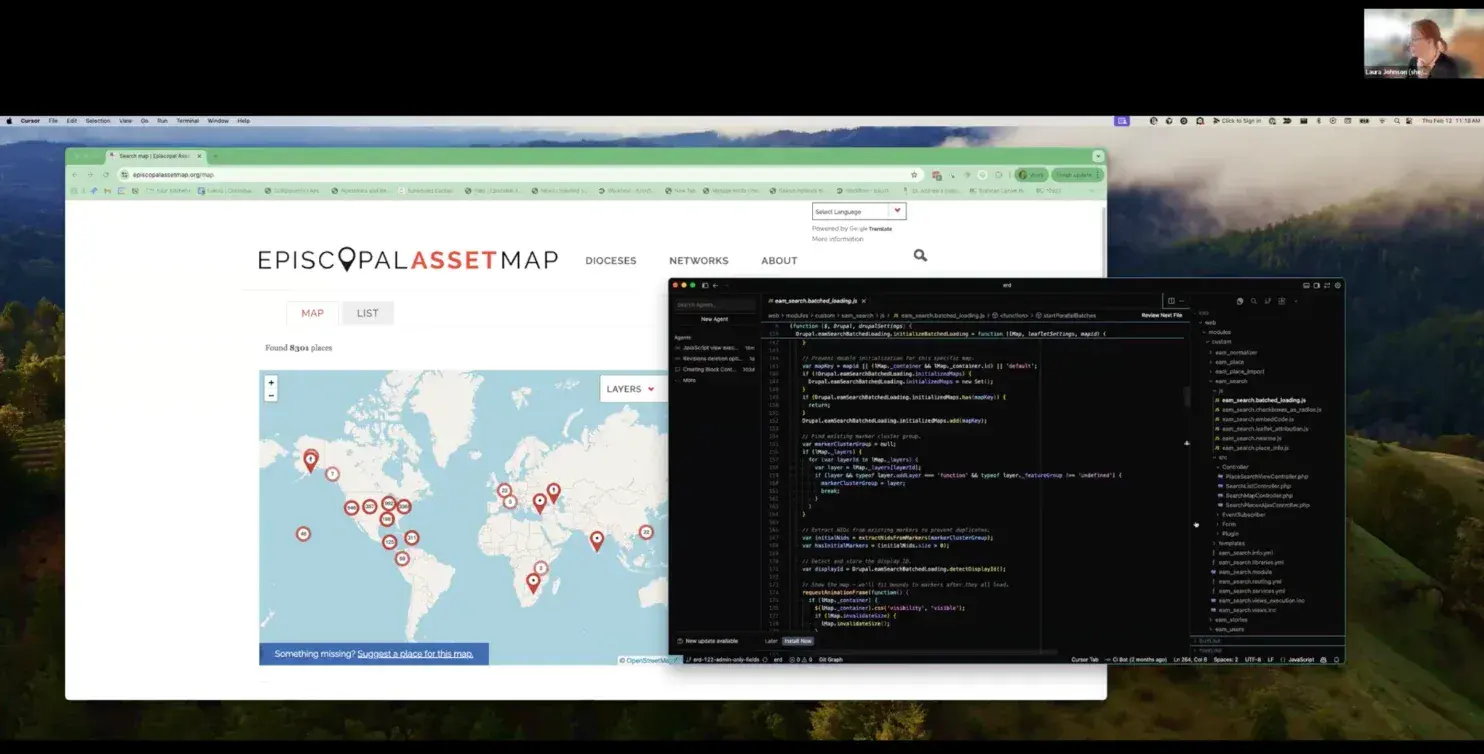
That dedication shows up in the details: the code review that catches an edge case before it becomes a production headache, or accessibility standards that are considered from the start rather than added later.
We care about how things are made because your team will live with what we build long after the project wraps.
Playful
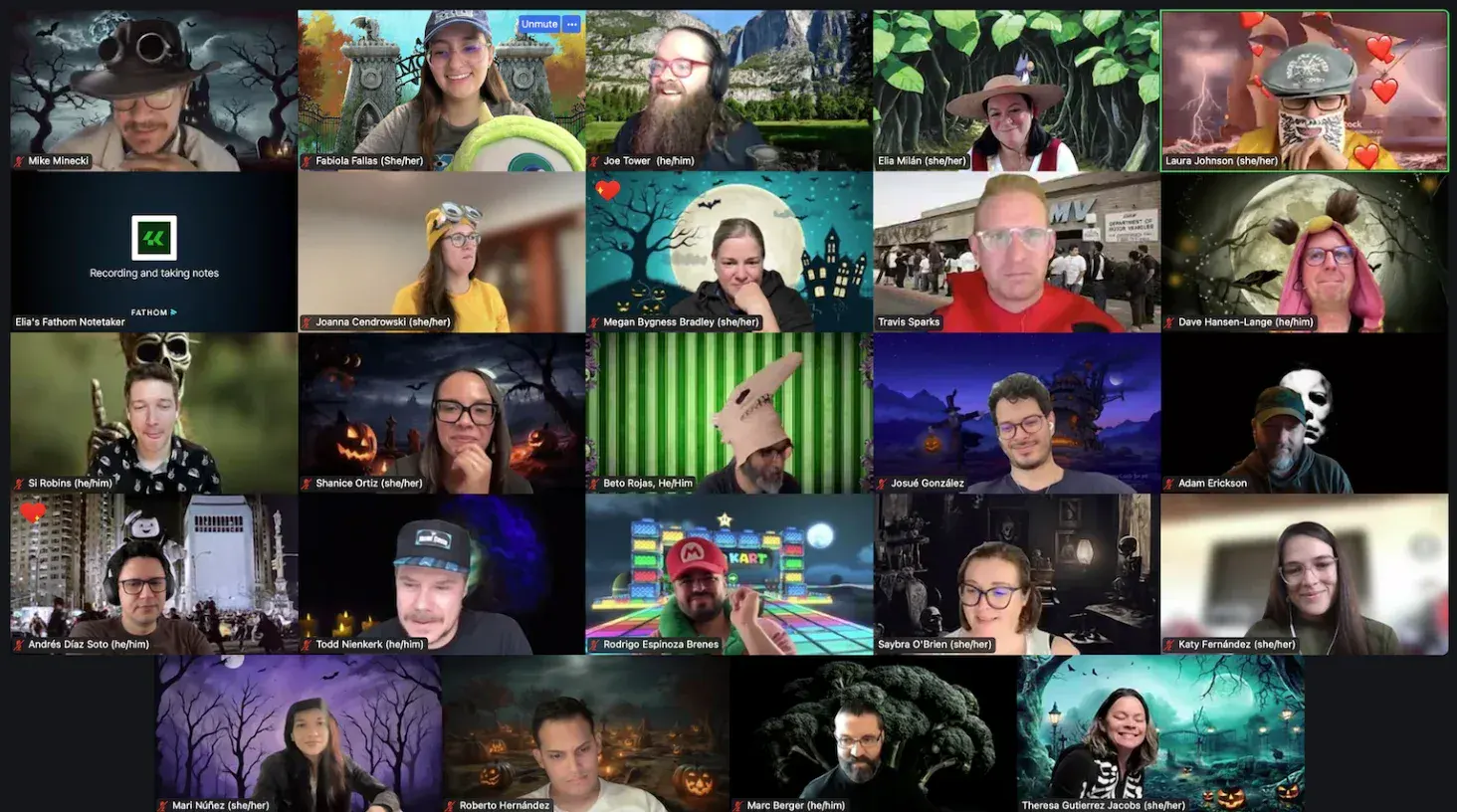
Four Kitchens was founded by people who met while working on a humor publication. That creative energy still shows up across the company, from the way we brainstorm solutions to how we stay connected as a fully remote team.
Around year 10, we co-hosted a SXSW Interactive party on 6th Street with another Austin agency. Live-band karaoke, a Friday the 13th tattoo artist giving away free computer-themed flash, and a line out the door and down the stairs within an hour. The tattoos weren’t horseshoes or four-leaf clovers. They were mouse cursors, terminal windows, pixel art. At least one Web Chef went home with a cursor clicking on the number 13.

That’s always been the instinct: Find the version of the thing that’s a little unexpected, a little more fun, and commit to it fully. (Ask us about our Slack emoji lore sometime.)
Playfulness here doesn’t mean unseriousness. It means creating an environment where people feel comfortable offering the unexpected idea that might turn out to be the right one. Especially when working remotely, it’s our playful nature that keeps us connected. It’s the connective tissue of a distributed team.
Our work tends to be strongest when collaboration feels open and exploratory rather than stiff and transactional.
Share what we know
From the beginning, our mission was to set knowledge free. Early versions of our values included a commitment to contributing to open-source projects every single day. Over time, open source moved out of the spotlight, partly because we weren’t sure it resonated with every role on the team.
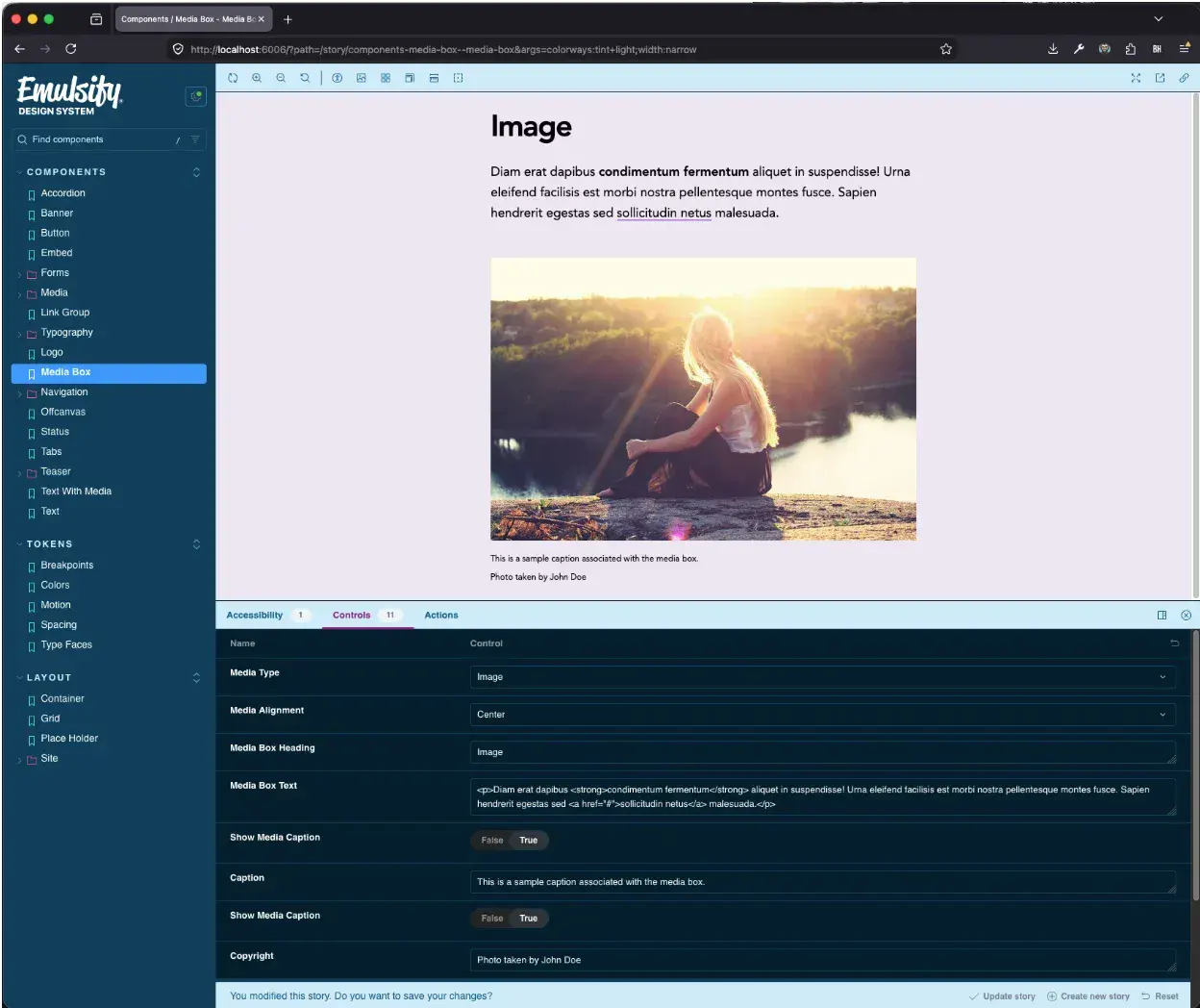
But the spirit behind it never disappeared. It’s why we built Emulsify, an open-source design system toolset born out of a problem we kept seeing: higher ed institutions struggling to maintain brand consistency across dozens of department and school websites. Rather than solve it once for one client, we built something the whole community could use.
Naming this value again felt like a homecoming.
Whether it’s code, documentation, or lessons learned from a complex migration, sharing what we learn strengthens the communities that make our work possible. That same instinct shapes how we work with clients: transparent about our thinking, willing to explain the why behind our recommendations.
Accountable to each other
Accountability is easy to declare. It’s harder to build into how a team actually operates.
On our team, feedback is continuous rather than saved for annual reviews. We treat goals as shared outcomes.
When we collaborate with clients, our teams communicate directly and take shared ownership of the outcome. Strategy and execution aren’t siloed here. The people shaping the approach are the ones building it.
If something isn’t working, we’ll say so — and we hope you will, too. That kind of partnership creates the conditions where strong work can emerge.
Why this matters for the work
Right now, every organization we work with is navigating some version of the same pressure: how do you evolve without losing what makes you distinctive? How do you respond to new technologies, new expectations, and new constraints without either clinging to the past or chasing every trend?
It’s a question we’ve been asking ourselves for 20 years.
The answer has never been: pick a lane and stay in it. It’s been: know what you actually believe, and let that be the constant while everything else evolves.
A kitchen that’s been open for 20 years has learned a few things. What works and what doesn’t. When to follow the recipe and when to improvise. How to serve people well, not just serve them.
The Way of the Web Chef isn’t a brand exercise. It’s a description of how we work. And for the clients who partner with us, that matters. Because the same rigor, curiosity, and care we apply to our own organization is exactly what we bring to yours.
Making the web a better place to teach, learn, and advocate starts here...
When you subscribe to our newsletter!